
Karnataka is accelerating the transformation of its agricultural power system through a major expansion of solar-powered irrigation. What began as an alternative source of electricity for farm pump sets is increasingly emerging as a wider model of agricultural reform—combining renewable energy, farmer welfare, public finance and improved power management. More than 27,700 solar agricultural pump sets have been installed and commissioned across Karnataka, reducing demand on the conventional electricity grid by nearly 144 MW. The programme is also expected to avoid the purchase of approximately 240 million units of electricity every year, translating into estimated annual power-purchase savings of around ₹146 crore for the State’s electricity supply companies (ESCOMs). The financial impact extends further. By shifting agricultural irrigation demand away from subsidised grid electricity, the initiative is estimated to reduce the Karnataka government’s agricultural electricity subsidy burden by more than ₹200 crore annually. Behind these numbers is a larger policy objective: giving farmers dependable daytime electricity while building a more sustainable agricultural energy system.
From Slow Start to Rapid Expansion
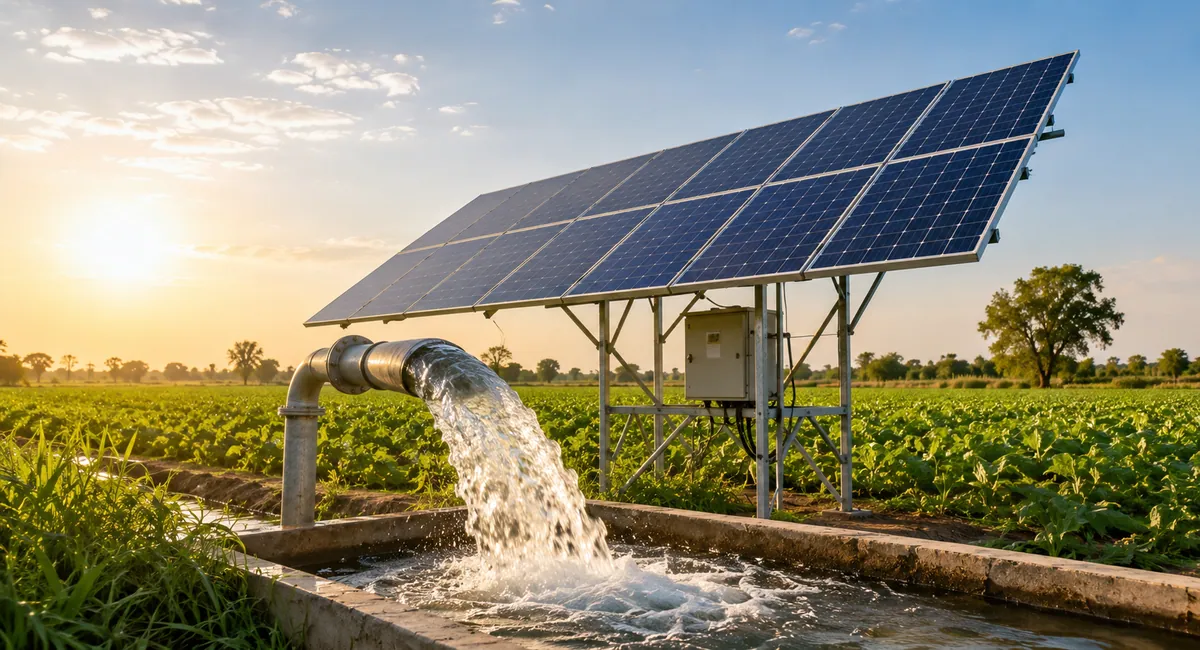
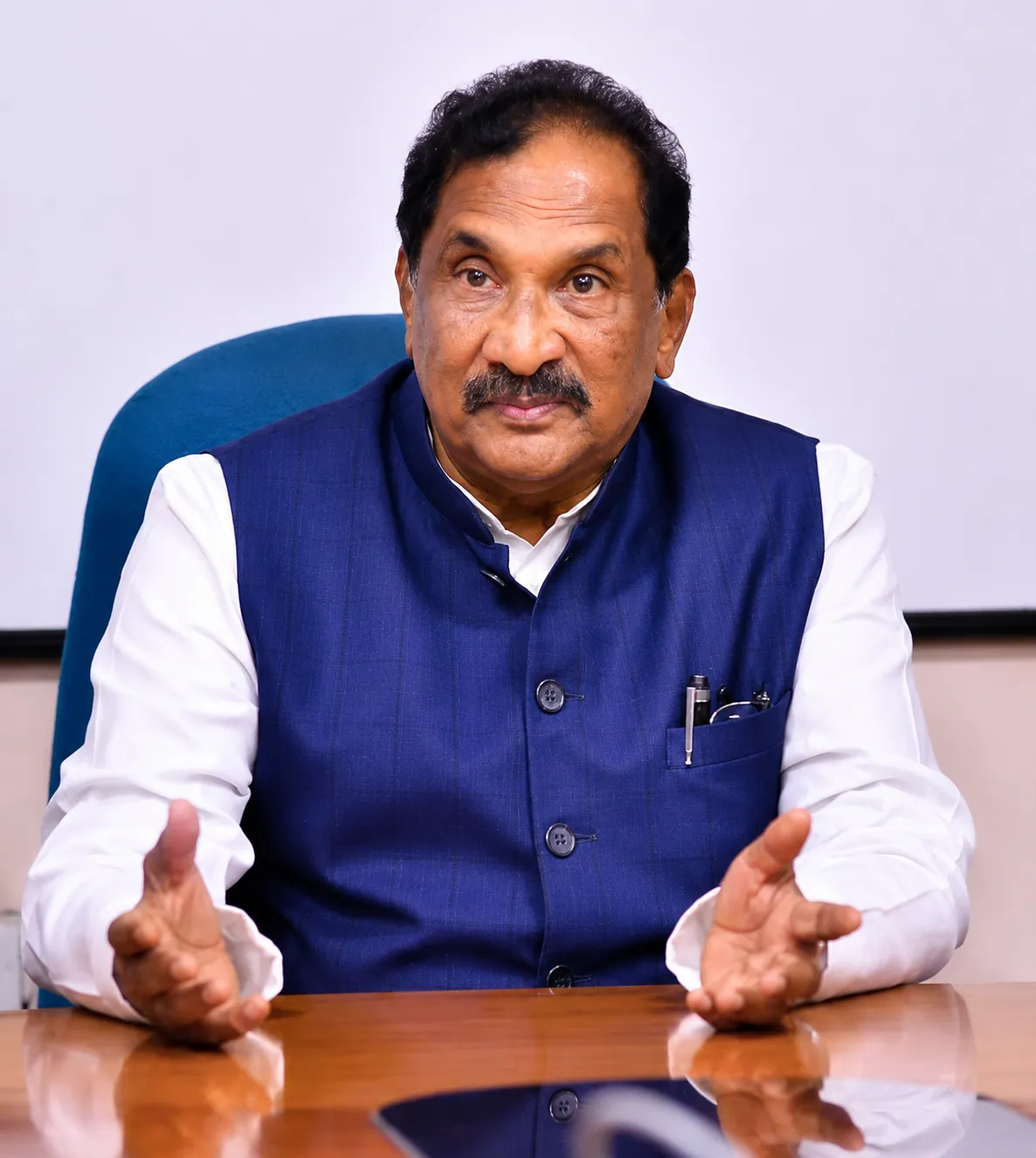
Karnataka’s solar agricultural pump programme initially faced implementation challenges, including coordination issues among agencies, suppliers and electricity distribution companies. The government has since intensified administrative supervision and strengthened coordination between the Energy Department, ESCOMs, implementing agencies and vendors. Energy Minister K. J. George has placed particular emphasis on accelerating implementation and resolving operational bottlenecks. The results are reflected in growing farmer participation. More than one lakh farmers have applied for solar agricultural pump sets, indicating increasing acceptance of decentralised renewable energy in rural Karnataka. With over 27,700 systems already operational, the State is progressing towards its target of 40,000 solar agricultural pump sets. The rapid expansion demonstrates how administrative intervention can be as important as technology itself. Simplifying implementation, coordinating multiple agencies and addressing field-level problems have helped turn the programme into one of Karnataka’s significant agricultural energy initiatives.
50% State Assistance Makes Solar More Accessible
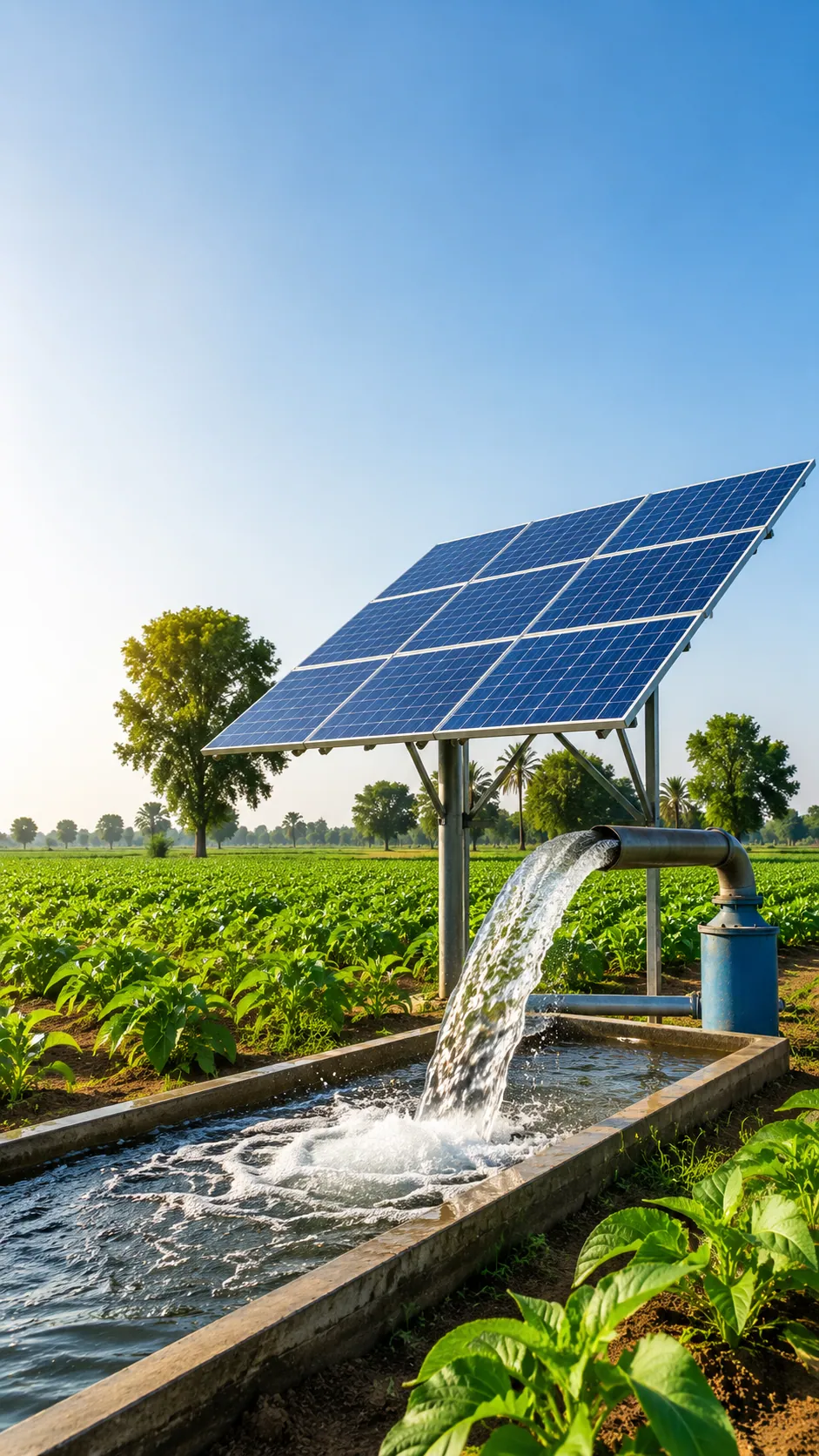
A major feature of Karnataka’s approach is financial support for farmers. The State government is providing 50% financial assistance towards the installation of solar agricultural pump sets, substantially reducing the investment burden on agricultural households. This support complements the broader objectives of the PM-KUSUM programme, particularly Component B, which promotes stand-alone solar-powered agricultural pumps. The national programme is designed to expand renewable energy use in agriculture, reduce dependence on conventional power and diesel, and improve energy security for farmers. For Karnataka, financial assistance is particularly important because the transition to solar irrigation requires significant upfront investment. Lowering that barrier allows small and medium farmers to participate in the clean-energy transition rather than restricting solar irrigation to farmers capable of financing systems independently.
Reliable Daytime Power Changes Life on the Farm
The benefits of solar irrigation cannot be measured only in megawatts or rupees. For generations, access to agricultural electricity has often dictated farmers’ daily routines. Where irrigation supply is available during late-night or irregular hours, farmers may have to travel to fields after dark, remain awake to operate pumps and organise irrigation around electricity availability rather than agricultural requirements. Solar-powered pumps change that equation. Since solar generation is naturally available during daylight hours, farmers can operate irrigation systems during the day. This reduces the need for late-night visits to agricultural fields and makes irrigation scheduling safer and more convenient. Reliable daytime electricity can also help farmers manage water more efficiently and organise agricultural activities with greater predictability. The programme therefore connects renewable-energy policy directly with farmer safety, convenience and productivity.
144 MW of Demand Shifted Away From the Grid
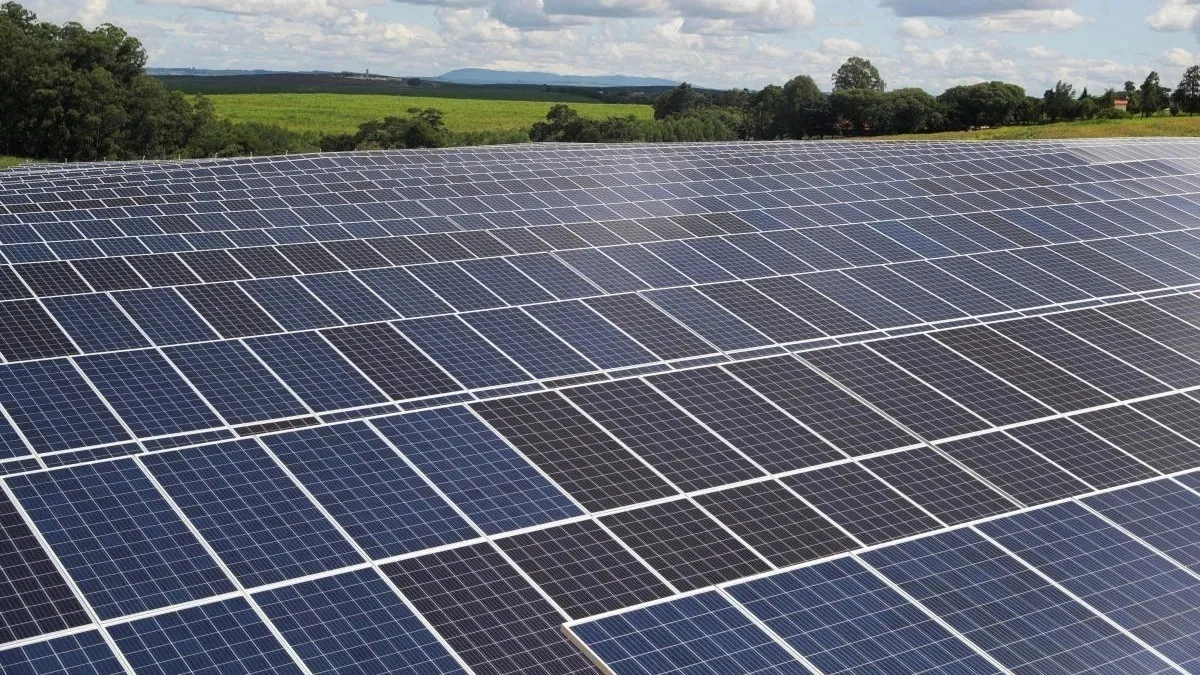
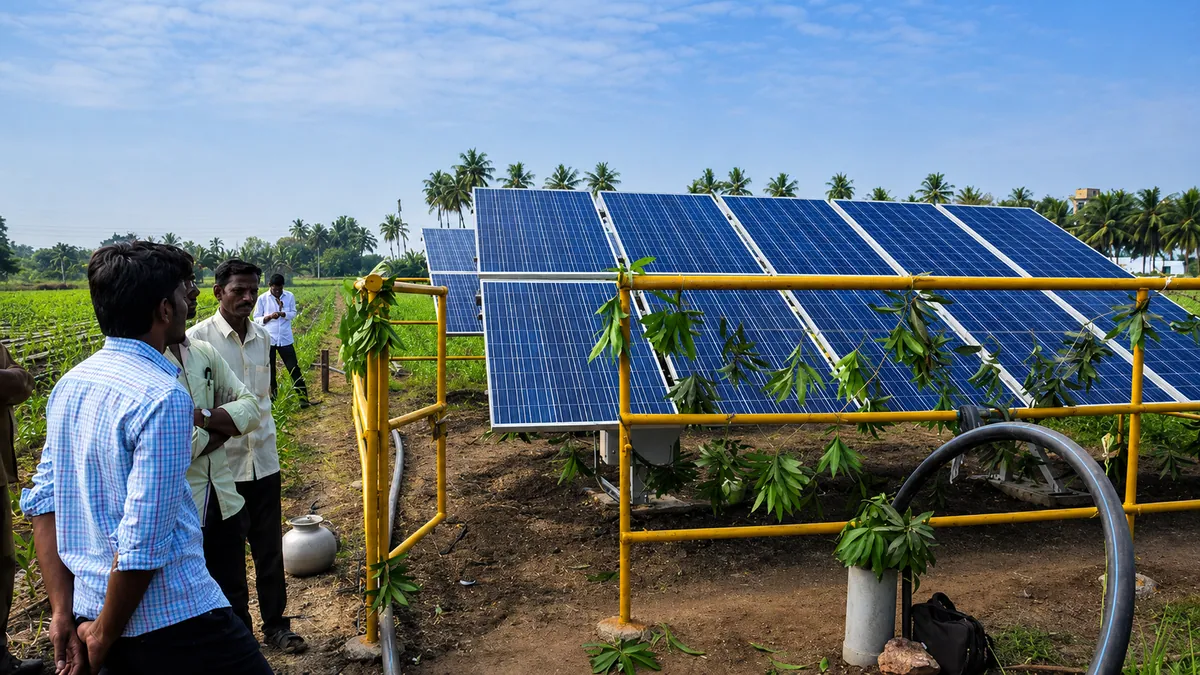
Agricultural electricity demand represents a major component of Karnataka’s power system. Moving irrigation pumps to decentralised solar energy therefore produces benefits well beyond individual farms. The operational solar pump sets have already reduced grid demand by approximately 144 MW.Unlike conventional agricultural pumps that depend on electricity supplied through the distribution network, stand-alone solar systems generate power close to where it is consumed. This reduces the amount of electricity that ESCOMs need to procure and supply for irrigation. At scale, decentralised solar irrigation can help ease agricultural demand on the grid while enabling electricity utilities to manage available power more efficiently. The approach represents an important shift in policy thinking—from continuously subsidising electricity consumption towards investing in infrastructure that can permanently reduce part of that demand.
The State government is providing 50% financial assistance towards the installation of solar agricultural pump sets, substantially reducing the investment burden on agricultural households.
₹346 Crore in Potential Combined Annual Savings
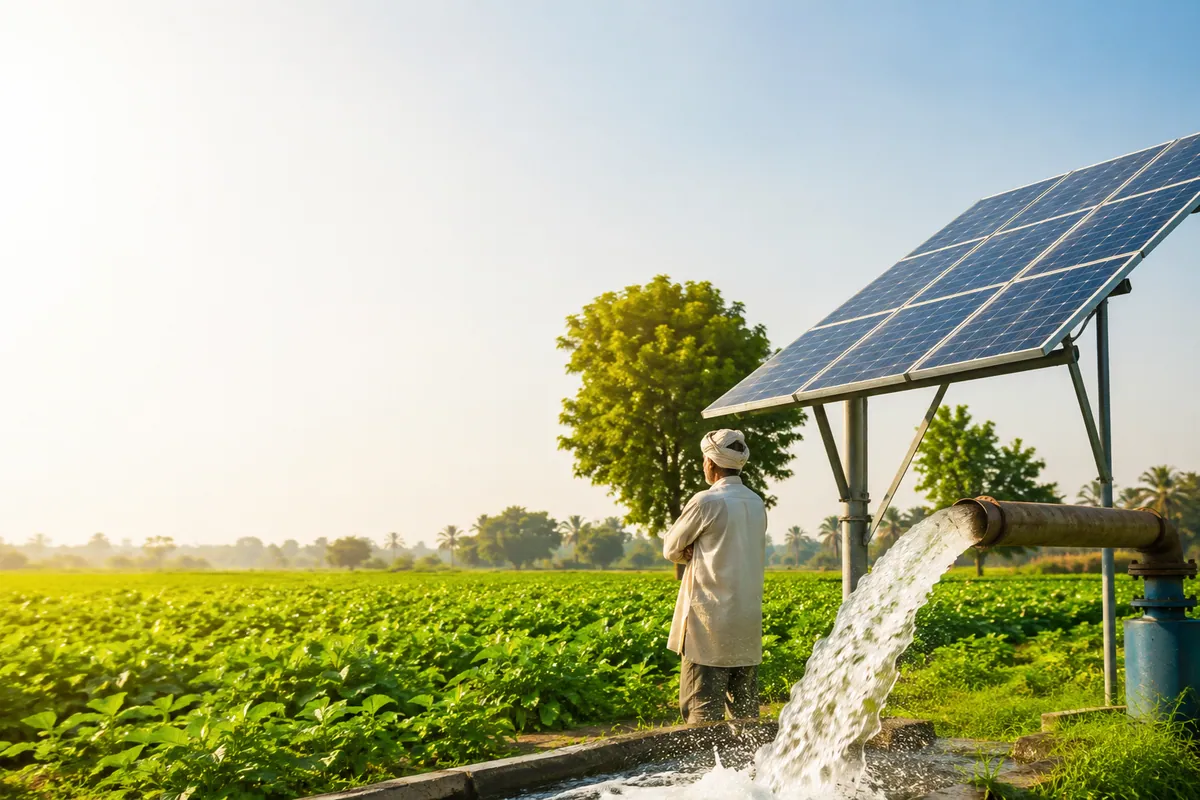
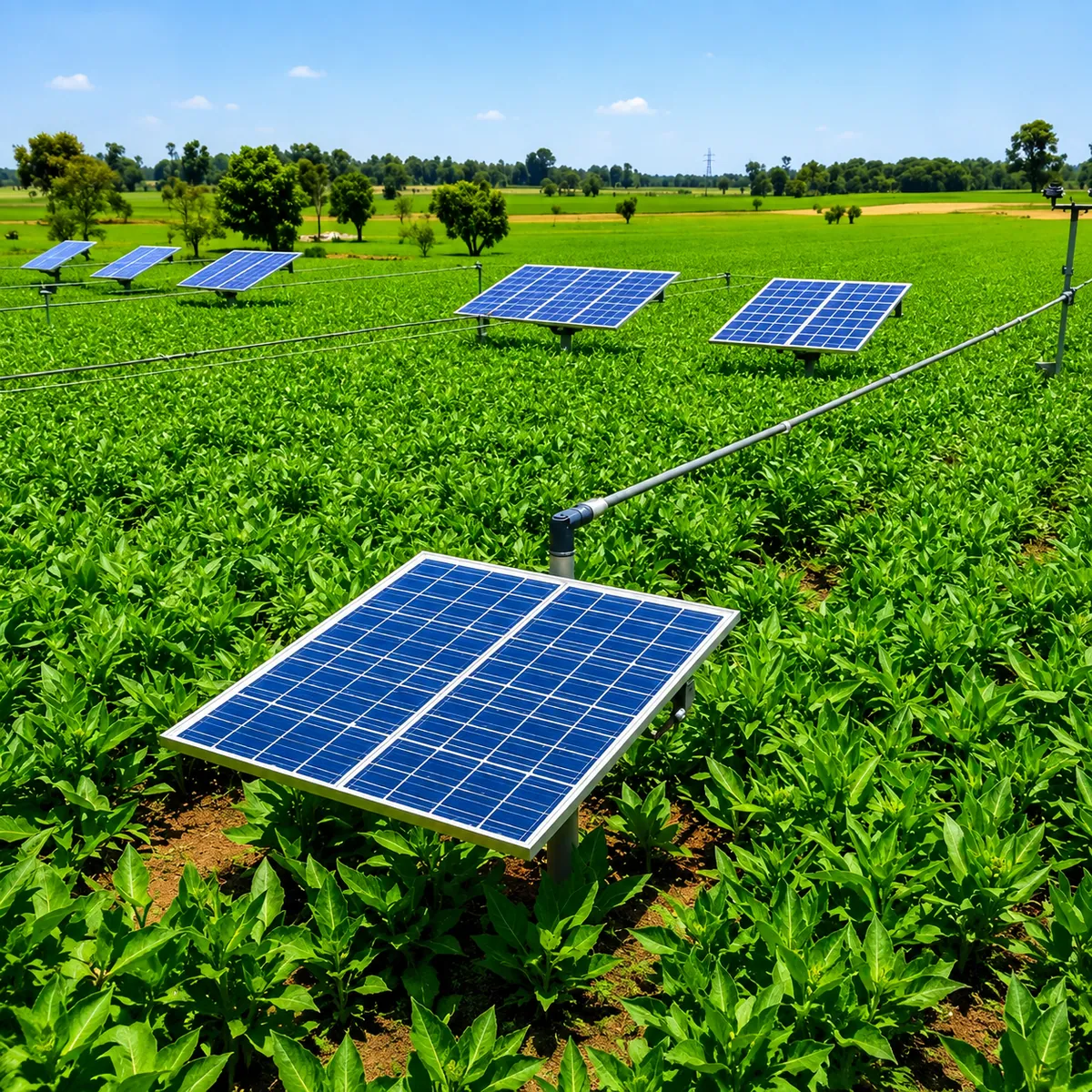
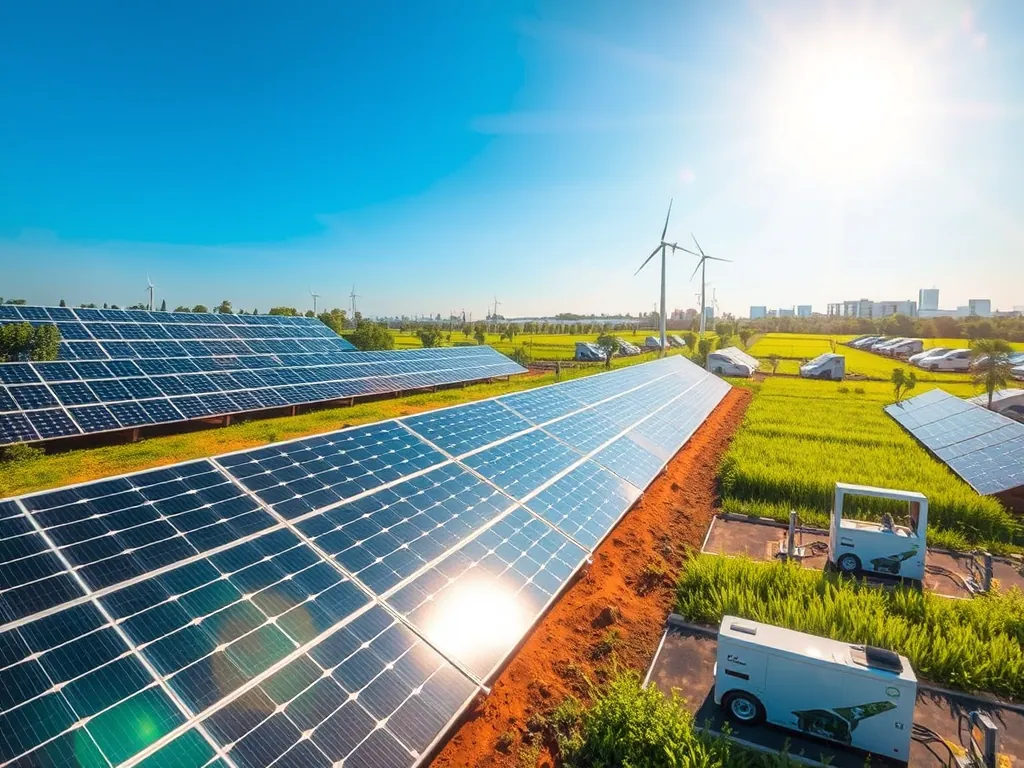
The economics of the initiative are particularly significant. By avoiding the purchase of around 240 million units of electricity annually, Karnataka’s ESCOMs are expected to save approximately ₹146 crore every year in power procurement expenditure. At the same time, lower dependence on subsidised grid electricity for agricultural pumps is expected to save the State government more than ₹200 crore annually in agricultural electricity subsidies. Taken together, these estimates indicate a potential recurring financial impact exceeding ₹346 crore a year across power-purchase and subsidy expenditure. That creates an important long-term argument for solarisation. Government support for installing solar pumps requires upfront expenditure, but every pump shifted away from conventional electricity can continue reducing grid demand and subsidy requirements over its operating life. Solar agricultural infrastructure can therefore be viewed not merely as expenditure on renewable energy but as a long-term public investment.
PM-KUSUM Becomes a Platform for Rural Energy Reform
Karnataka’s expansion is being implemented within the broader framework of the Pradhan Mantri Kisan Urja Suraksha evam Utthaan Mahabhiyan (PM-KUSUM). At the national level, PM-KUSUM includes decentralised renewable power plants, stand-alone solar agricultural pumps and solarisation of grid-connected agricultural pumps. Component B focuses specifically on stand-alone solar pumps, enabling farmers to meet irrigation requirements using solar power instead of relying exclusively on conventional electricity or diesel. Karnataka’s implementation adds a strong State-level dimension through financial assistance, administrative coordination and accelerated deployment. This combination of national renewable-energy policy and State-level implementation demonstrates how centrally designed programmes can be adapted to address local agricultural and electricity-sector priorities.
Farmers at the Centre of the Clean-Energy Transition

One of the most notable aspects of Karnataka’s initiative is that the farmer becomes a direct participant in the energy transition. Large renewable-energy projects are often located far from consumers and operate largely outside everyday public experience. Solar agricultural pumps are different. Renewable-energy infrastructure is installed directly on farms, where its impact can be experienced through irrigation, working hours and reduced dependence on electricity schedules. More than one lakh applications indicate that farmers increasingly recognise these practical benefits. The transition also demonstrates that climate and renewable-energy policies can deliver immediate economic and social advantages rather than functioning only as long-term environmental strategies. For farmers, the benefit is dependable irrigation power. For ESCOMs, it is lower electricity procurement. For the State government, it is reduced subsidy expenditure. For the electricity system, it means lower agricultural grid demand.
A New Model for Sustainable Agriculture
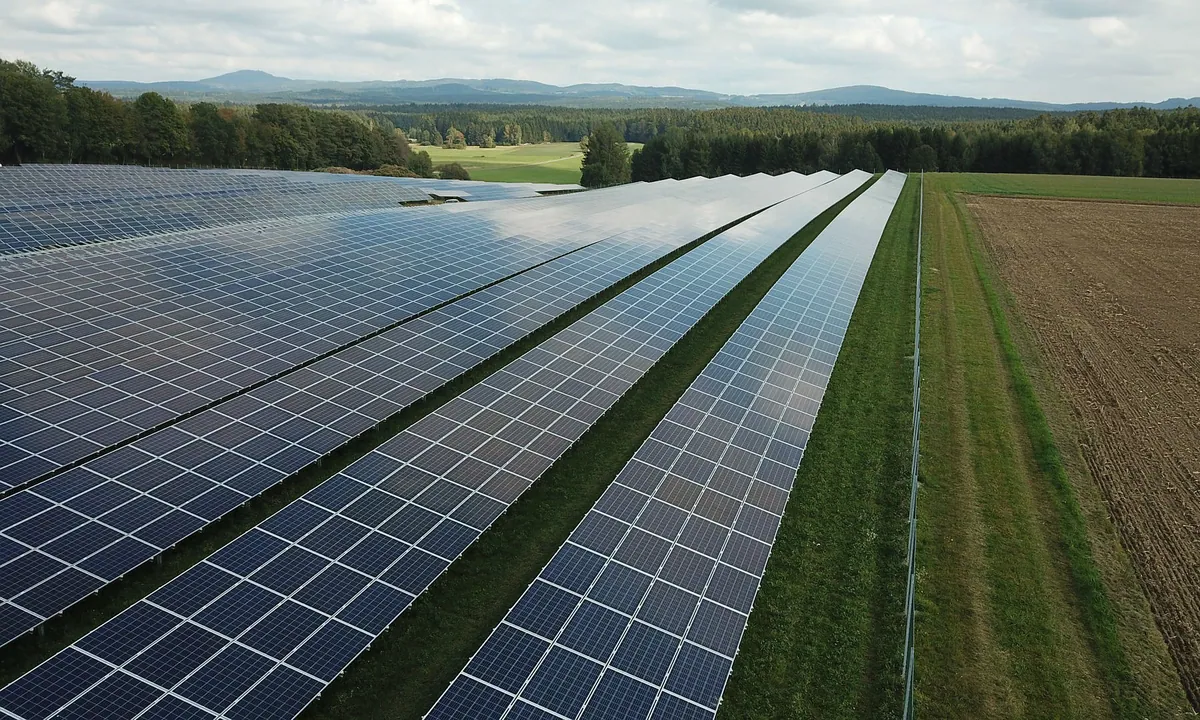
Karnataka’s solar farming programme ultimately represents more than the installation of photovoltaic panels and irrigation pumps. It brings together agriculture, renewable energy, public finance and rural development within a single policy framework. With more than 27,700 pumps commissioned, over one lakh farmer applications and a target of 40,000 installations being pursued, the State is building the foundation for solar irrigation at much greater scale. Each additional solar pump potentially removes a portion of recurring electricity demand from the grid while providing a farmer with a dedicated daytime source of irrigation energy. Energy Minister K. J. George has described the initiative as an investment in Karnataka’s future—one capable of reducing electricity procurement costs, lowering the subsidy burden, strengthening energy security and improving farmers’ livelihoods. That combination is what makes the programme particularly significant. Karnataka’s solar farming push shows how the transition to clean energy can move beyond power plants and urban infrastructure and reach directly into agricultural fields. By combining financial assistance with implementation reforms and farmer-focused benefits, the State is positioning solar irrigation as both an energy solution and an instrument of rural transformation. As deployment expands, the initiative has the potential to become a replicable model for how governments can simultaneously strengthen farmer welfare, agricultural productivity, energy security and fiscal sustainability—turning Karnataka’s abundant sunshine into a long-term resource for its farms and its future.