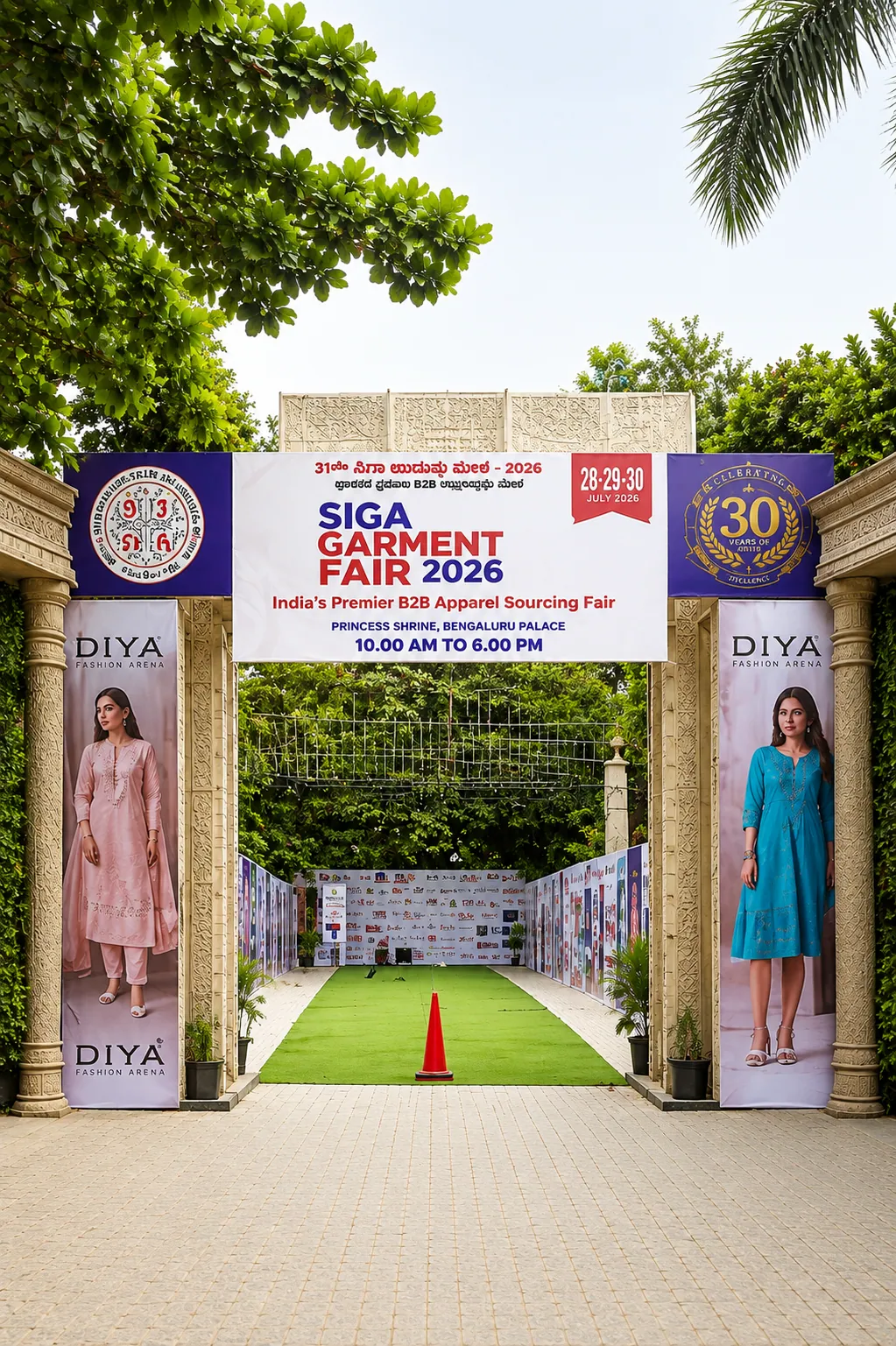
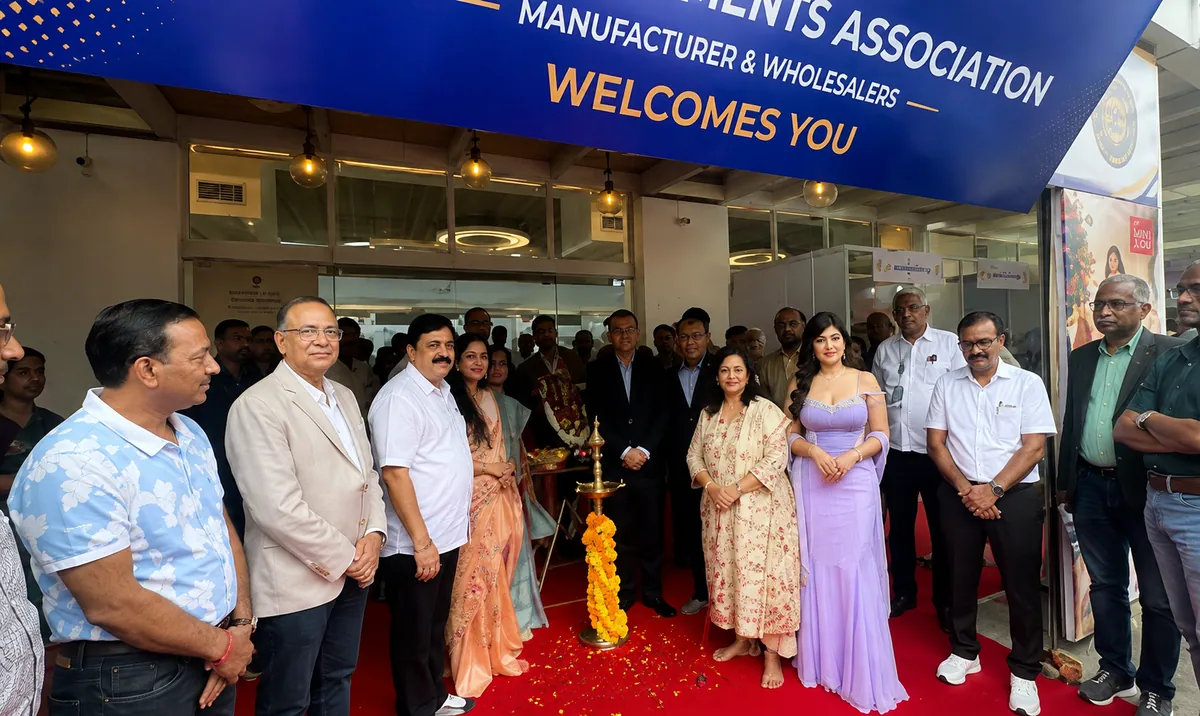
India’s apparel retail industry is undergoing one of the most significant transformations in its history. Once dominated by neighbourhood garment stores and family-run retailers, the sector is now increasingly defined by organised retail chains, digital commerce, omnichannel shopping experiences and evolving consumer expectations. Against this backdrop, the emerged as much more than a sourcing exhibition. It became a reflection of an industry in transition—one balancing tradition with innovation 31st South India Garment Association (SIGA) Garment Fair, held from July 28 to 30 at the Princess Shrine, Bengaluru Palace Grounds, while searching for sustainable growth in an increasingly competitive marketplace. Bringing together nearly one hundred apparel brands, manufacturers, distributors and retailers from across India, the exhibition reaffirmed its position as one of South India’s most influential B2B apparel trade platforms. Yet the conversations taking place across exhibition halls extended beyond new collections and seasonal fashion. They centred on the future of India’s garment retail ecosystem, the survival of independent retailers and the changing dynamics of apparel consumption.
More Than a Trade Fair
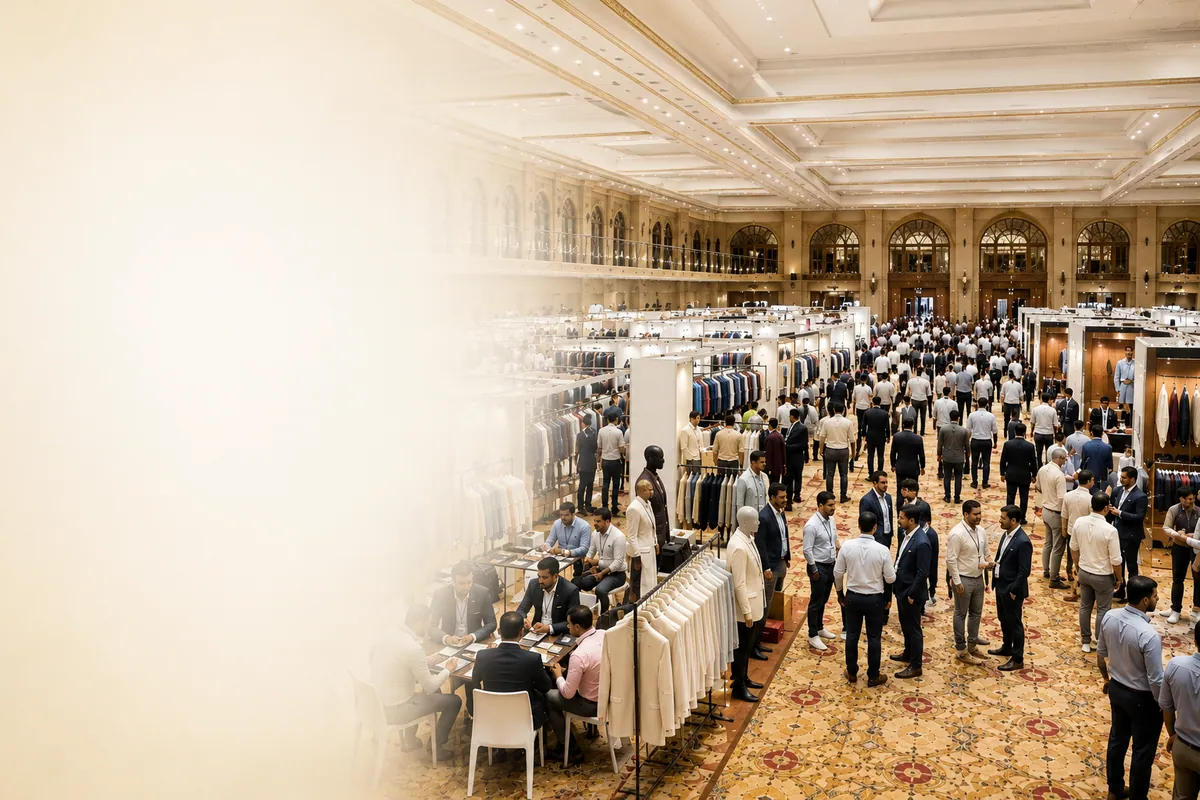
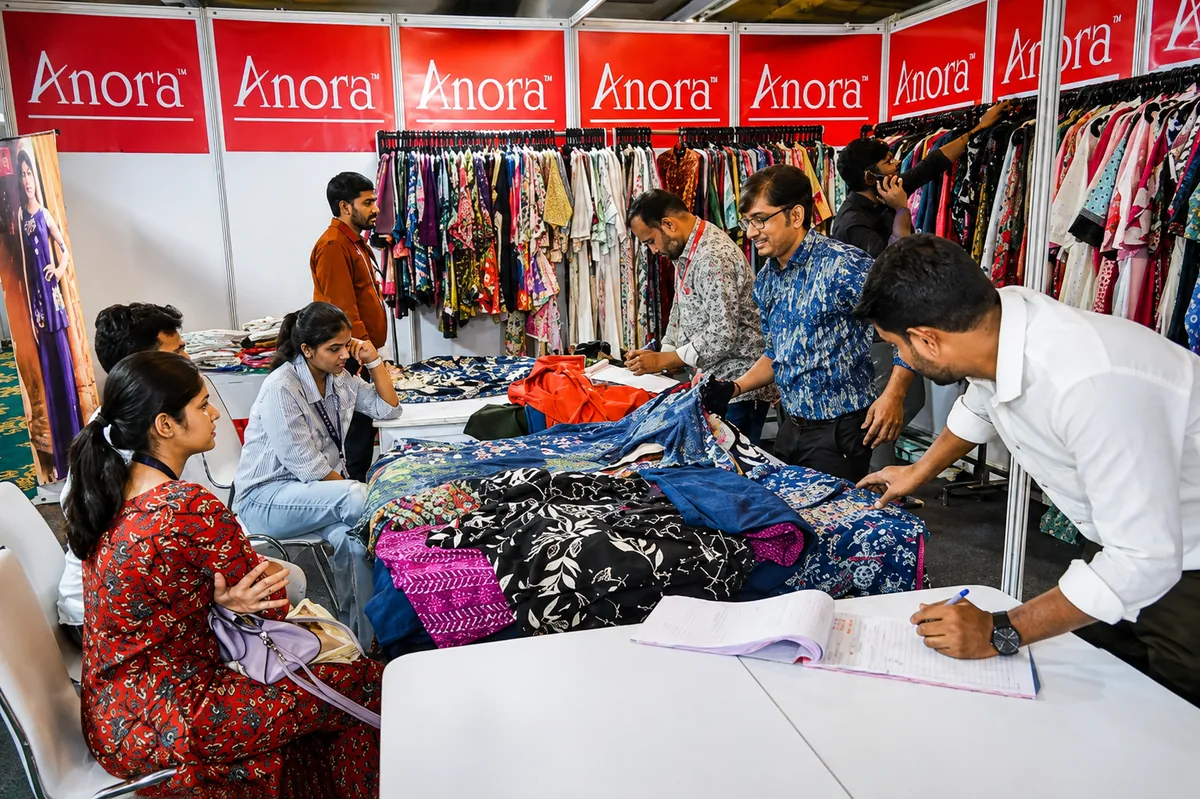
For over three decades, the SIGA Garment Fair has served as a critical meeting point for India’s apparel value chain. Every edition enables manufacturers to unveil new collections while giving retailers direct access to suppliers before key festive and wedding shopping seasons. This year’s exhibition featured a comprehensive mix of menswear, womenswear, childrenswear, ethnic fashion, casual apparel and lifestyle products. Retail buyers explored fresh collections, negotiated business partnerships and evaluated brands that could strengthen their product portfolios in an increasingly competitive market. Unlike consumer exhibitions, trade fairs such as SIGA provide retailers with an opportunity to assess quality, understand fashion trends and build long-term business relationships directly with manufacturers. In a market where speed, inventory management and product differentiation have become critical, these face-to-face interactions continue to deliver value that digital sourcing platforms cannot fully replicate.
Retail Transformation Takes Centre Stage
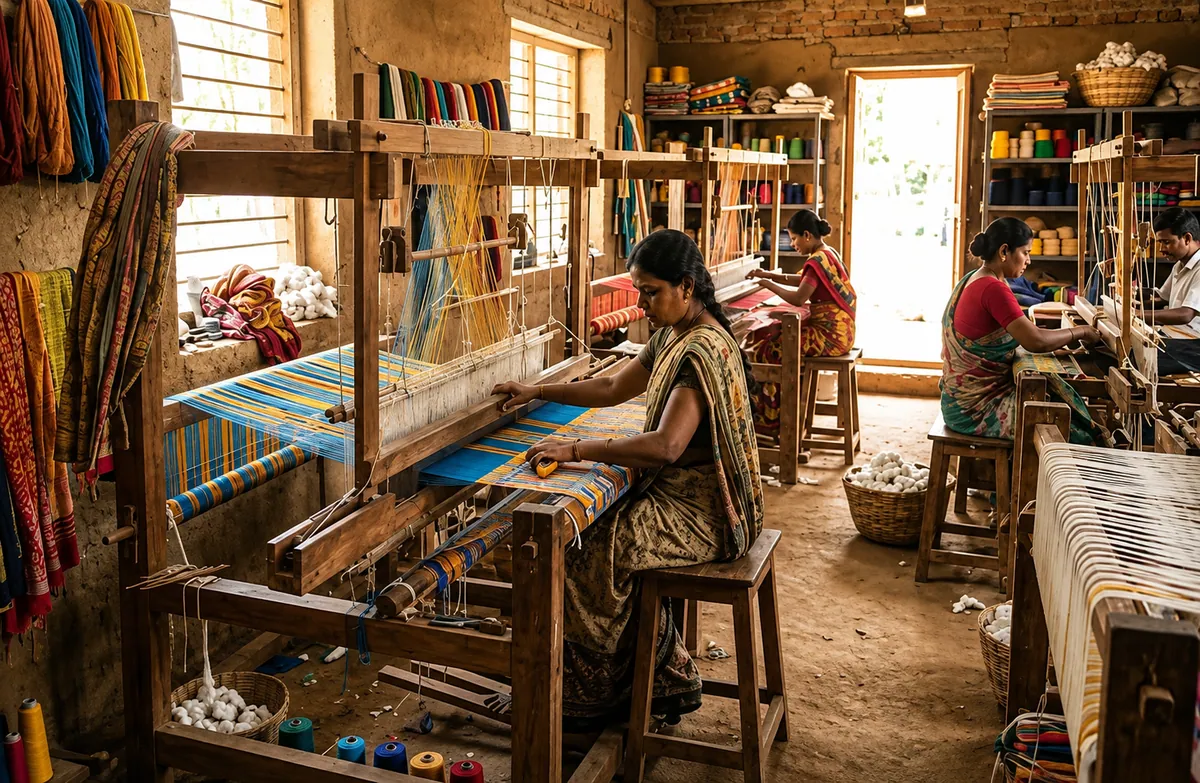
While product launches attracted considerable attention, the strongest message emerging from the exhibition concerned the rapid transformation of India’s apparel retail landscape. Addressing industry participants during the inauguration, SIGA President Anurag Singhla highlighted the growing challenges confronting independent garment retailers. He observed that the aggressive expansion of large organised retail chains has fundamentally altered market competition, making it increasingly difficult for traditional family-owned garment stores to maintain profitability. Across Karnataka, several long-established retailers have reportedly been forced to close their businesses as consumers increasingly gravitate towards multi-brand retail formats offering larger assortments, competitive pricing, promotional campaigns and integrated shopping experiences. This trend mirrors broader developments across India’s retail sector. Organised retail continues to expand steadily, supported by stronger supply chains, technology-driven inventory management, national branding strategies and substantial investment. Independent retailers, meanwhile, are competing with fewer resources while attempting to retain loyal customer bases built over decades.
The Digital Consumer is Redefining Fashion Retail
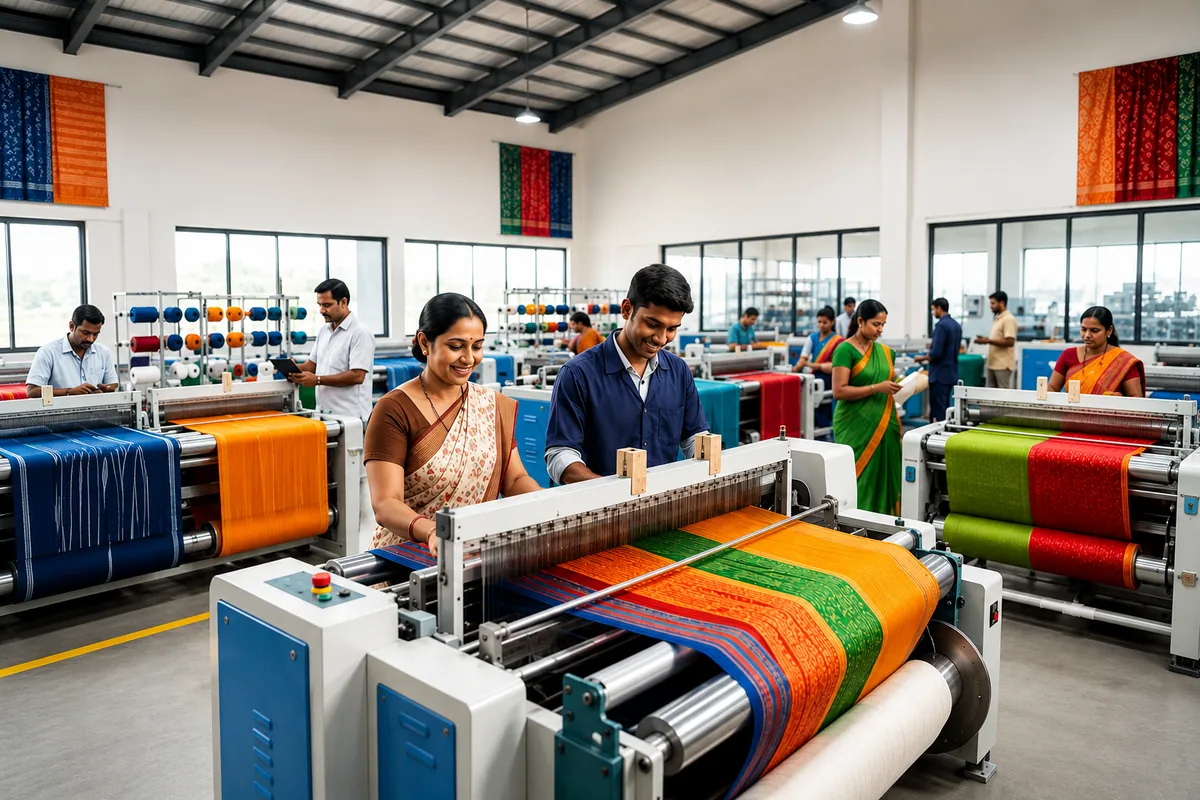

If organised retail has intensified competition, e-commerce has accelerated it. Online fashion platforms have transformed how consumers discover, compare and purchase apparel. Mobile-first shopping, personalised recommendations, flash sales, influencer marketing and rapid home delivery have reshaped purchasing behaviour across urban and semi-urban India. Today’s consumer often researches products online before visiting a store—or bypasses physical retail altogether. This behavioural shift has reduced footfall in traditional shopping districts, directly impacting garment retailers and indirectly affecting surrounding businesses. Restaurants, cafés, toy stores, footwear outlets and numerous neighbourhood enterprises have historically benefited from shoppers visiting apparel markets. As digital commerce captures a larger share of consumer spending, these complementary businesses also experience declining customer traffic. The challenge, therefore, extends well beyond garment retail. It reflects a broader restructuring of India’s local retail economy.
The Human Side of Retail Change
The exhibition demonstrated that collaboration between manufacturers, retailers, distributors and industry bodies remains essential for sustaining India’s highly diverse apparel market.
Behind every store closure lies a much larger economic story. Independent garment retailers support thousands of employees, sales professionals, warehouse workers, logistics providers and local suppliers. Family-owned businesses often employ multiple generations while serving communities for decades. As competition intensifies, preserving these enterprises becomes important not only from a commercial perspective but also from an employment standpoint. Industry leaders at the exhibition emphasised that strengthening independent retailers ultimately strengthens India’s broader apparel ecosystem. Healthy retail networks ensure continued demand for domestic manufacturers while sustaining regional economies built around textile and garment trade.
Why Trade Fairs Matter More Than Ever

Ironically, in an increasingly digital world, physical trade exhibitions have become even more valuable. Events such as the SIGA Garment Fair allow businesses to establish trust, evaluate product quality firsthand and negotiate customised commercial arrangements that digital marketplaces rarely facilitate. Retailers can compare multiple brands within a single venue, understand emerging fashion trends and secure exclusive regional partnerships. Manufacturers benefit equally by gathering direct market feedback, expanding dealer networks and identifying shifting consumer preferences through retailer interactions. These exhibitions also encourage collaboration across the supply chain, enabling businesses to respond more effectively to changing demand patterns and shorter fashion cycles. Rather than competing with digital commerce, trade fairs now complement it by strengthening the relationships that underpin long-term business success.
Building a More Resilient Retail Ecosystem

The discussions at SIGA reflected a growing recognition that adaptation—not resistance—will define the future of apparel retail. Independent retailers are increasingly embracing technology, introducing digital catalogues, expanding through social commerce, offering personalised shopping experiences and adopting omnichannel strategies that combine physical stores with online engagement. Manufacturers are also becoming more responsive by offering faster production cycles, flexible order quantities and improved inventory support for retail partners. Equally important is the role played by industry associations. Organisations such as SIGA continue to provide advocacy, networking opportunities and knowledge-sharing platforms that help businesses navigate rapidly changing market conditions. The exhibition demonstrated that collaboration between manufacturers, retailers, distributors and industry bodies remains essential for sustaining India’s highly diverse apparel market.
Looking Beyond the Exhibition
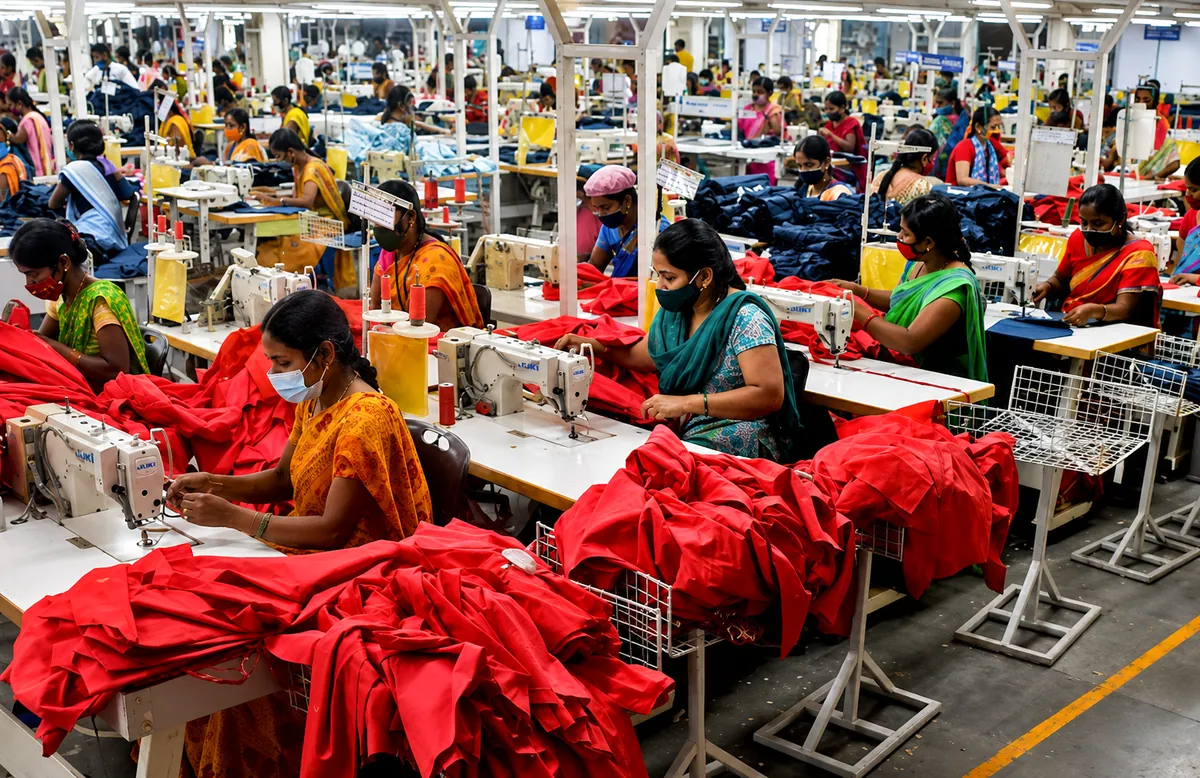

The success of the 31st SIGA Garment Fair illustrates that India’s garment industry continues to possess remarkable resilience despite structural changes reshaping the retail landscape. Consumer demand for fashion remains strong, disposable incomes continue to rise and India’s apparel market is expected to maintain long-term growth. However, future success will increasingly depend on how effectively businesses respond to digital disruption, changing shopping habits and the consolidation of organised retail. For independent retailers, differentiation through customer relationships, curated merchandise and personalised service may prove to be their greatest competitive advantage. For manufacturers, stronger collaboration with retail partners and greater flexibility in production will become increasingly important. Ultimately, the 31st SIGA Garment Fair was not simply about showcasing new apparel collections. It offered a timely snapshot of an industry redefining itself. As India’s fashion retail sector enters a new phase of evolution, the exhibition reinforced a powerful message: while technology and scale are transforming the marketplace, collaboration, innovation and trusted business relationships will continue to shape the future of apparel retail.