
Karnataka has once again reaffirmed its position as India’s leading innovation hub by approving four ambitious technology initiatives worth ₹27.19 crore. The investment, announced by the Department of Electronics, Information Technology, Biotechnology and Science & Technology (IT&BT), represents far more than a financial commitment—it is a strategic roadmap designed to nurture entrepreneurship, accelerate scientific research, strengthen academia-industry collaboration and advance indigenous deep-tech innovation. For decades, Karnataka has remained at the forefront of India’s technology revolution. Bengaluru, often referred to as the country’s Silicon Valley, has evolved into one of the world’s fastest-growing startup ecosystems, attracting entrepreneurs, investors and multinational technology companies alike. However, the state’s innovation ambitions now extend beyond the capital city. Through carefully designed initiatives, the government is creating opportunities across regional centres while investing in frontier technologies that promise to define the future of healthcare, biotechnology and advanced manufacturing.
The newly sanctioned projects cover a wide spectrum of innovation—from helping early-stage startups scale their businesses and connecting educational institutions with industries to developing robotic surgical systems and expanding cutting-edge genome editing infrastructure. Together, these initiatives illustrate Karnataka’s long-term vision of building a knowledge-driven economy powered by research, technology and entrepreneurship. Speaking on the approvals, Karnataka’s Minister for IT & BT, Priyank Kharge, said the investments demonstrate the government’s commitment to supporting innovation across every stage of the ecosystem. According to him, strengthening regional startup networks, investing in scientific research and encouraging collaboration between academia and industry will help create future-ready enterprises, generate high-quality employment and position Karnataka as a global leader in advanced technologies.
Empowering Startups Beyond Bengaluru

The largest share of the newly approved funding has been allocated to the K-Combinator Startup Accelerator, a programme that seeks to transform Karnataka’s coastal region into an emerging entrepreneurship hub. The project has been sanctioned ₹9.26 crore over five years and will operate from WrkWrk in Mangaluru in partnership with TiE Mangaluru. While Bengaluru has become synonymous with India’s startup success story, the government has increasingly recognised the need to decentralise entrepreneurial opportunities. Several talented innovators from Tier-II cities often struggle to access mentors, funding networks and incubation facilities available in the capital. The K-Combinator initiative aims to bridge this gap by providing structured support to startups based in Mangaluru, Udupi and neighbouring districts.
The accelerator will focus on companies in their earliest stages of development, particularly those working on proof-of-concept ideas and minimum viable products (MVPs). Entrepreneurs participating in the programme will receive mentoring from experienced founders, technical experts and business leaders while gaining access to investors, product validation opportunities, industry partnerships and market linkages. The initiative is expected to encourage more technology-driven enterprises to emerge from coastal Karnataka while retaining local talent that might otherwise relocate to larger metropolitan centres. By building a vibrant regional innovation ecosystem, the government hopes to stimulate economic development across multiple districts while reducing the concentration of startup activity in Bengaluru. This approach aligns with Karnataka’s broader strategy of promoting innovation clusters across cities such as Mysuru, Hubballi-Dharwad, Belagavi, Kalaburagi and Shivamogga, ensuring that entrepreneurship becomes a statewide movement rather than remaining confined to a single urban centre.
Bridging the Gap Between Campuses &Companies

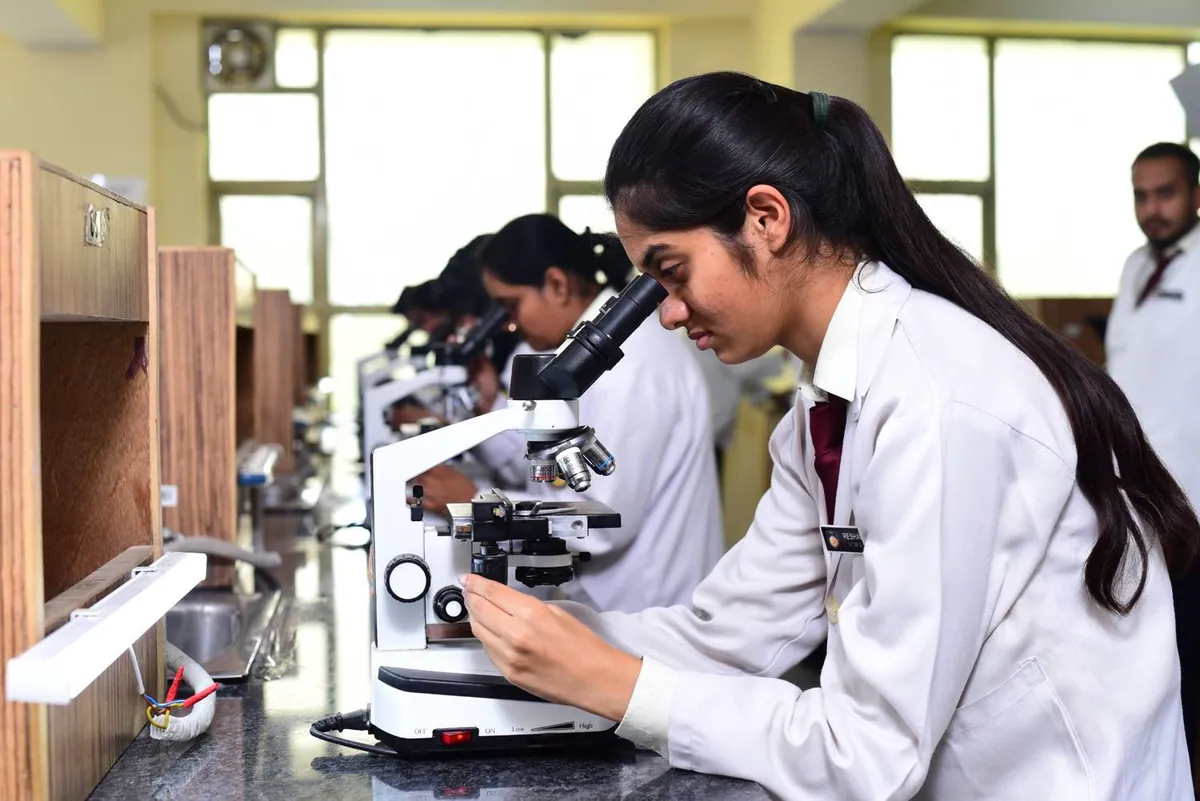
Innovation thrives when research institutions and industries work together. Recognising this, the Karnataka government has approved ₹7.47 crore over three years for the Super 100 Industry Academia Adoption Programme under the Local Economy Accelerator Programme (LEAP). The initiative seeks to establish partnerships between 100 industries and 100 higher education institutions located primarily in Tier-II and Tier-III cities across Karnataka. Rather than functioning independently, universities and industries will collaborate on research projects, technology development, internships, curriculum design and innovation challenges that address real-world industrial requirements. For years, one of India’s biggest challenges has been the disconnect between academic education and industry expectations. While educational institutions produce thousands of graduates every year, many employers continue to report shortages of industry-ready talent equipped with practical skills.
The Super 100 programme attempts to address this challenge by creating continuous engagement between students, researchers and industry professionals. Faculty members will gain insights into emerging technologies and industrial trends, while companies will benefit from fresh research perspectives, access to young talent and collaborative innovation. The programme is expected to promote research commercialisation, improve graduate employability and encourage educational institutions to focus on solving practical business and societal challenges. It also supports Karnataka’s ambition to develop a highly skilled workforce capable of driving growth in sectors such as artificial intelligence, semiconductor design, electronics manufacturing, biotechnology, advanced engineering and digital technologies.
Advancing Indigenous Medical Robotics


The enhanced facilities will enable scientists to undertake cutting-edge research in precision medicine, genetic diagnostics, regenerative therapies and advanced biomedical technologies.
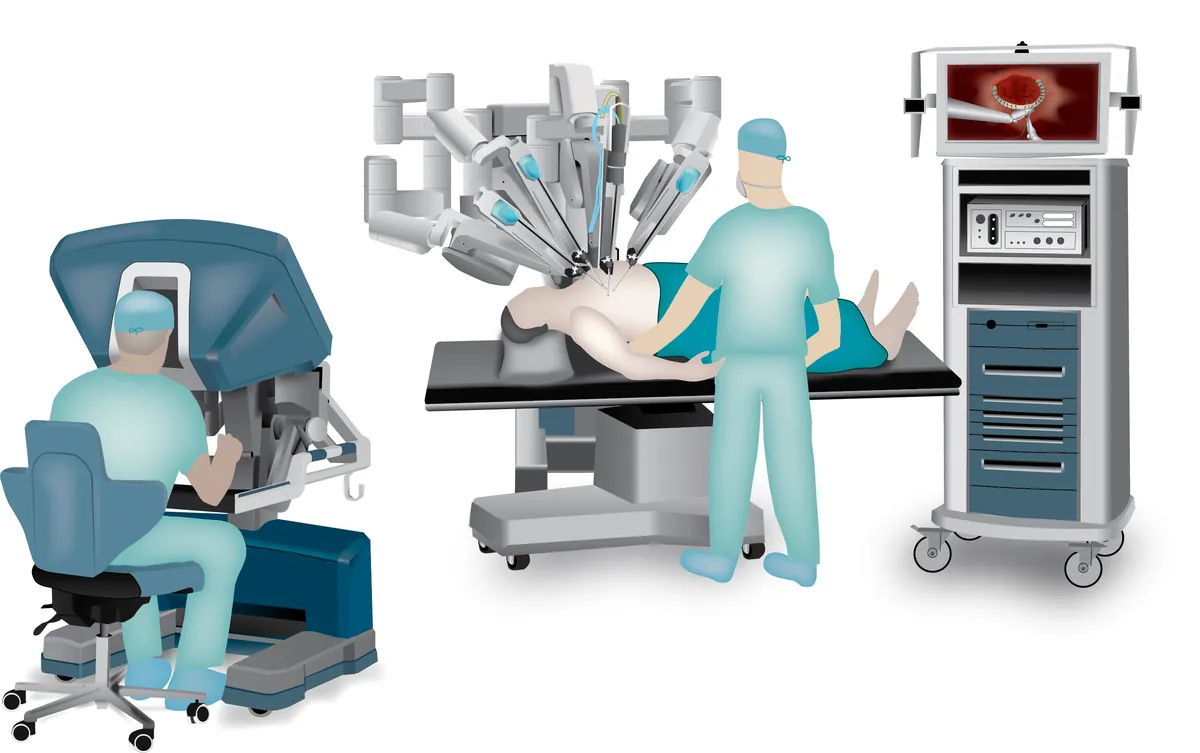
Among the most technologically significant initiatives approved by the government is the development of an Advanced Surgical Assistive Robot for neurosurgical applications. The project has been allocated ₹3.66 crore and represents a major step towards strengthening India’s capabilities in indigenous medical robotics. The initiative will be jointly executed by the International Institute of Information Technology Bengaluru (IIIT-B) and the National Institute of Mental Health and Neurosciences (NIMHANS), bringing together expertise in robotics, artificial intelligence, computer science and clinical neuroscience. Neurosurgery demands exceptional precision, often involving delicate procedures within the brain and spinal cord where even the slightest error can have serious consequences. Robotic-assisted surgical systems can significantly improve accuracy by enabling highly controlled movements, reducing human error and enhancing visualisation during complex procedures.
Globally, robotic surgery has transformed several medical specialities, including orthopaedics, urology and cardiac surgery. However, many advanced robotic systems remain prohibitively expensive and are largely imported. Karnataka’s investment in developing indigenous technology could reduce costs, improve accessibility and strengthen India’s medical device manufacturing ecosystem. Beyond healthcare, the project also highlights the growing convergence of engineering, robotics and medical sciences. Such interdisciplinary collaborations are becoming increasingly important in developing next-generation healthcare technologies capable of addressing complex medical challenges while improving patient outcomes.
Strengthening Karnataka’s Biotechnology Leadership

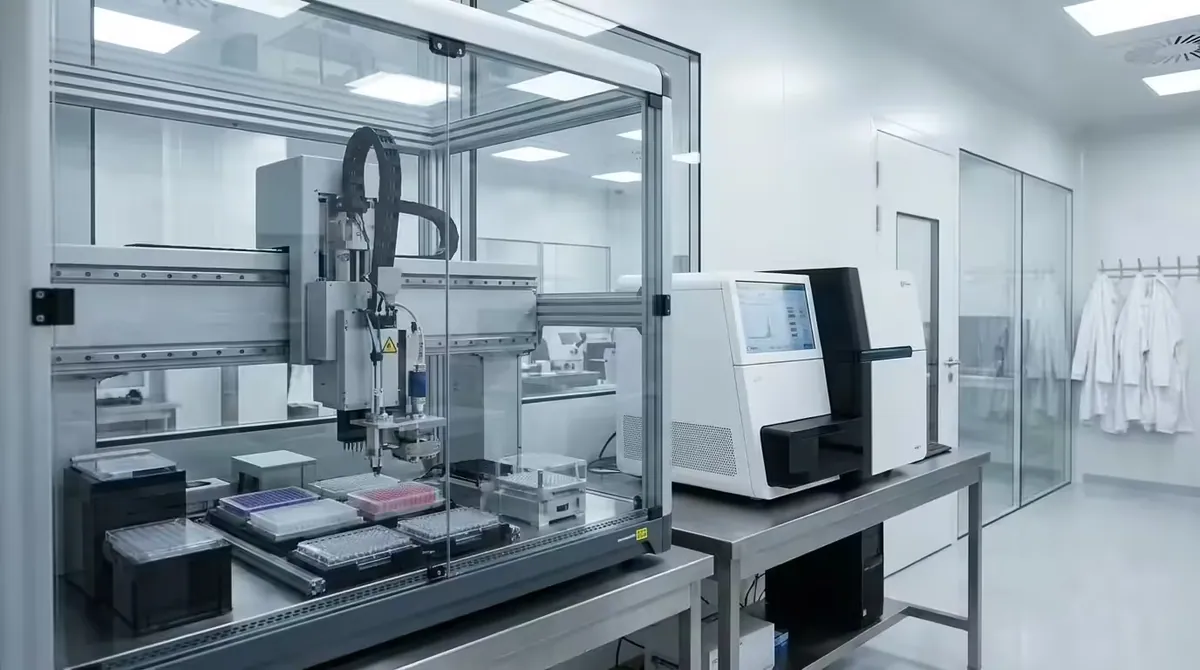
The government has also sanctioned ₹6.80 crore for expanding research infrastructure at Bengaluru’s Centre for Human Genetics to support the newly established Institute of Advanced Genome Editing and Gene Therapy. The investment will facilitate the creation of approximately 1,500 square metres of modern laboratory infrastructure equipped with ISO-certified clean rooms, advanced molecular biology laboratories, high-end imaging systems and next-generation sequencing facilities. Genome editing and gene therapy have emerged as some of the most transformative fields in modern medicine. Technologies such as CRISPR have revolutionised scientists’ ability to modify genes with unprecedented precision, opening new possibilities for treating inherited disorders, cancers, rare diseases and previously untreatable genetic conditions. By expanding world-class research infrastructure, Karnataka aims to strengthen its position as India’s biotechnology capital while attracting leading researchers, biotechnology companies and international collaborations. The enhanced facilities will enable scientists to undertake cutting-edge research in precision medicine, genetic diagnostics, regenerative therapies and advanced biomedical technologies. The project is also expected to support translational research, where laboratory discoveries are converted into practical medical treatments that directly benefit patients. Bengaluru already hosts one of India’s largest biotechnology ecosystems, with hundreds of biotech startups, pharmaceutical companies, research laboratories and academic institutions. The latest investment further reinforces the city’s role as a national centre for life sciences innovation.
Building a Future-Ready Innovation Economy

The four approved initiatives will be implemented through the Department of Electronics, Information Technology, Biotechnology and Science & Technology in collaboration with the Karnataka Innovation and Technology Society (KITS), Karnataka Digital Economy Mission (KDEM), premier academic institutions and ecosystem partners. Collectively, these projects represent a comprehensive innovation strategy rather than isolated investments. Instead of focusing solely on startup funding, the government is strengthening every critical component of the innovation value chain—from talent development and entrepreneurial support to scientific infrastructure and advanced research. Such an integrated approach is increasingly important as nations compete in knowledge-intensive sectors driven by artificial intelligence, biotechnology, robotics, genomics and advanced manufacturing. Success in these fields depends not only on financial investment but also on strong academic institutions, research infrastructure, skilled human resources and effective collaboration between public and private stakeholders. Karnataka’s continued emphasis on innovation has already yielded impressive results. The state consistently ranks among India’s top performers in startup creation, technology exports, research output and venture capital investment. It is home to thousands of startups, numerous Global Capability Centres (GCCs), prestigious research institutions and one of the country’s most vibrant technology workforces. The latest approvals build upon this foundation by encouraging innovation beyond metropolitan Bengaluru while creating opportunities for young entrepreneurs, researchers, students and scientists across the state.
A Vision Beyond Immediate Growth


The ₹27.19-crore investment is not merely about funding individual projects; it reflects Karnataka’s broader vision of building a resilient, innovation-driven economy capable of competing on the global stage. Each initiative addresses a different aspect of the ecosystem—entrepreneurship, education, healthcare technology and biotechnology—but together they contribute to a common objective of creating sustainable economic growth through knowledge and innovation. By nurturing startups in emerging cities, strengthening industry-academia partnerships, investing in advanced genomics research and promoting indigenous deep-tech development, Karnataka is laying the groundwork for the next generation of scientific discoveries, globally competitive enterprises and high value employment opportunities. As technology continues to reshape industries worldwide, states that invest in research, talent and innovation today will be best positioned to lead tomorrow’s economy. Karnataka’s latest initiatives demonstrate that the state intends to remain not only India’s technology leader but also a global destination for innovation, entrepreneurship and cutting-edge scientific research for years to come.