
Karnataka and Israel are strengthening cooperation in cybersecurity, technology innovation, talent development and digital resilience through a new platform for sustained engagement. The Karnataka-Israel Cyber Dialogue 2026, held in Bengaluru under the theme “Stronger Together. Secure Tomorrow,” brought together government representatives, Israeli cybersecurity companies, technology firms, startups, researchers and industry leaders. Organised under Karnataka’s Global Innovation Alliance in collaboration with the Consulate General and Trade Mission of Israel in South India and the Centre for Cybersecurity Karnataka (CySecK), the dialogue focused on turning knowledge exchange into practical partnerships. Discussions covered cybersecurity innovation, startup collaboration, industry partnerships, workforce development, research, policy and digital trust. With Bengaluru’s strong technology ecosystem and Israel’s established cybersecurity capabilities, the initiative seeks to strengthen critical digital infrastructure and build a more secure and resilient digital economy.
Bengaluru Hosts Karnataka-Israel Cyber Dialogue


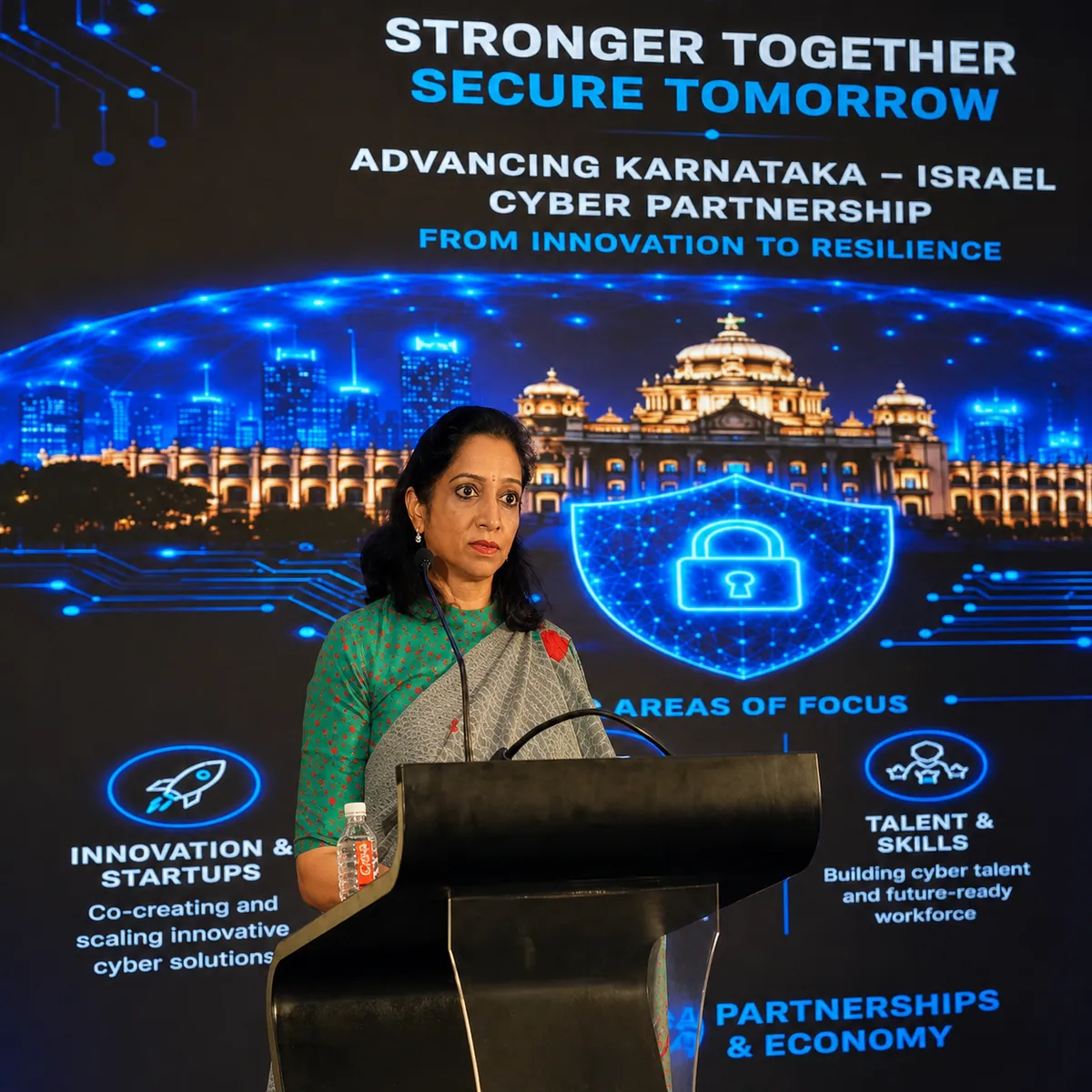
Held in Bengaluru under the theme “Stronger Together. Secure Tomorrow,” the dialogue was organised as part of Karnataka’s Global Innovation Alliance, in collaboration with the Consulate General and Trade Mission of Israel in South India and the Centre for Cybersecurity Karnataka (CySecK). The programme was designed to move beyond high-level discussions and identify opportunities for cooperation in cybersecurity innovation, research, technology development, talent creation and protection of critical digital infrastructure. The participation of industry and startup representatives gave the engagement a strong practical and commercial dimension. A delegation of 10 Israeli cybersecurity companies took part in the programme. Their participation included technology demonstrations and business-to-business meetings with Karnataka-based companies and startups, providing opportunities to examine potential technology partnerships and areas for joint development.
Four Pillars of Collaboration

The discussions centred on four broad areas: innovation and startups, industry partnerships, talent and skills, and policy and trust. Innovation and startups formed a key component of the dialogue, with the two sides examining how entrepreneurs and technology companies could collaborate on developing and scaling cybersecurity solutions. The industry component focused on connecting technology providers with businesses that face increasingly sophisticated cyber risks.
Talent development was another important priority. As digital systems expand across government, industry and society, the demand for specialised cybersecurity professionals continues to grow. Collaboration between educational institutions, technology companies and research organisations could help create a workforce equipped to address emerging threats. The fourth area, policy and trust, highlighted the importance of cybersecurity standards, responsible technology adoption and stronger institutional frameworks. The objective is to ensure that digital transformation is accompanied by adequate safeguards for citizens, businesses and public institutions.
Cybersecurity as an Economic Priority
N. Manjula, Secretary of Karnataka’s Department of Electronics, IT and BT, described cybersecurity as extending well beyond the technology sector. She emphasised its importance to economic activity, governance and public trust in an increasingly digital environment. Karnataka’s strong technology ecosystem, large pool of skilled professionals, startup base, research institutions and specialised cybersecurity capabilities provide a foundation for international partnerships. The state sees the Global Innovation Alliance as an avenue for connecting this ecosystem with global centres of technology and innovation. The dialogue therefore reflects a broader shift in the way cybersecurity is being approached. Rather than treating cyber protection only as an IT function, governments and businesses increasingly view it as a fundamental component of economic resilience, infrastructure security and digital governance.
Karnataka Builds Its Cybersecurity Ecosystem

The engagement with Israel builds on measures Karnataka has already undertaken to strengthen its domestic cybersecurity capabilities. The Karnataka Cyber Security Policy 2024 was introduced to address growing cyber risks while promoting awareness, skill development, innovation and stronger cooperation among government, industry, academia and startups. The policy also seeks to strengthen the protection of the state’s digital infrastructure. Another important institutional initiative is CySecK, the Centre for Cybersecurity Karnataka. The centre works across areas including cybersecurity awareness, skilling, startup incubation, innovation and ecosystem development. It brings together government bodies, academic institutions, industry participants, researchers and startups to build cybersecurity capabilities within the state. The state’s cybersecurity policy and CySecK provide an institutional foundation for international engagements such as the Karnataka-Israel dialogue, allowing partnerships to potentially develop through research, skills programmes, startup collaboration and technology validation.
The initiative ultimately signals a shift from cybersecurity as a defensive requirement towards cybersecurity as an area of innovation, economic opportunity and international collaboration.
India-Israel Technology Synergy



Orli Weitzman, Consul General of Israel to South India, highlighted the complementary strengths of the two ecosystems. Israel has developed a globally recognised cybersecurity and technology sector, while India brings a large technology workforce, expanding digital infrastructure, research capabilities and a significant startup ecosystem. The dialogue provided an opportunity to explore how these strengths could be combined through partnerships involving companies, entrepreneurs, researchers and educational institutions. Rather than focusing solely on technology transfer, the engagement points towards co-development, knowledge exchange and longer-term ecosystem collaboration. Knowledge-exchange initiatives involving Tel Aviv University were also highlighted as part of the broader relationship. Such academic and institutional links could support research cooperation and specialised talent development alongside commercial partnerships.
Bengaluru’s Potential Global Cybersecurity Role
The dialogue also highlighted Karnataka’s ambitions to expand Bengaluru’s role in the international cybersecurity ecosystem. CySecK’s participation in Cybertech Israel, a major global cybersecurity platform, was cited as part of the state’s engagement with international cybersecurity networks. Karnataka is exploring the possibility of Bengaluru hosting Cybertech in the future, although no formal hosting decision or timeline has been announced. If realised, such an event could further connect Karnataka’s technology and startup ecosystem with cybersecurity companies, investors, researchers and policymakers from around the world. For Bengaluru, which is already recognised as a major technology and startup hub, cybersecurity represents an opportunity to expand beyond software services and become a stronger centre for security innovation, research and specialised technology development.
From Dialogue to Practical Partnerships
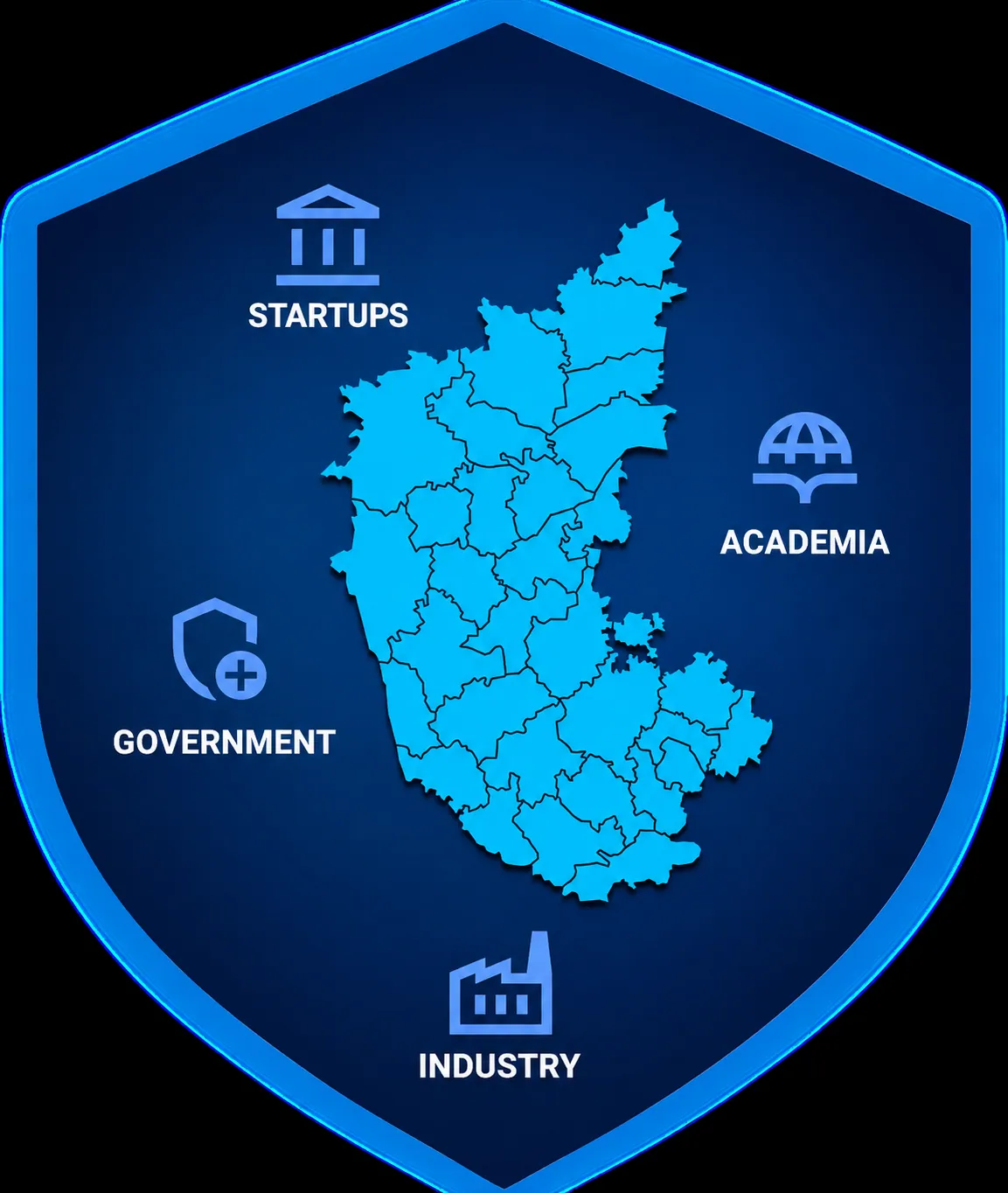
A significant objective of the Karnataka-Israel engagement is to translate discussions into measurable outcomes. The B2B meetings and technology demonstrations involving the Israeli delegation were intended to identify practical opportunities for cooperation between companies and startups. The recommendations emerging from the dialogue are expected to be consolidated into a white paper. The document will contribute to future policy considerations relating to cybersecurity in Karnataka and could help identify areas where government, industry and academia can work together more effectively. The longer-term significance of the initiative will depend on how successfully these discussions evolve into research collaborations, startup partnerships, workforce programmes, technology deployments and stronger cybersecurity practices.
Strengthening Digital Resilience

Karnataka’s engagement with Israel comes at a time when governments, companies and institutions face increasingly complex cyber risks. As public services, businesses, financial systems and critical infrastructure become more digitally connected, resilience requires not only advanced security technologies but also skilled professionals, effective policies, institutional coordination and continuous innovation. The Karnataka-Israel Cyber Dialogue provides a framework for bringing these elements together. By combining Israel’s cybersecurity expertise with Karnataka’s technology talent, startup ecosystem and research capabilities, the partnership has the potential to support a more resilient digital environment. The initiative ultimately signals a shift from cybersecurity as a defensive requirement towards cybersecurity as an area of innovation, economic opportunity and international collaboration. For Karnataka, the next phase will be to convert the momentum generated in Bengaluru into sustained partnerships that strengthen the state’s digital ecosystem while positioning it as a significant participant in the global cybersecurity landscape.